






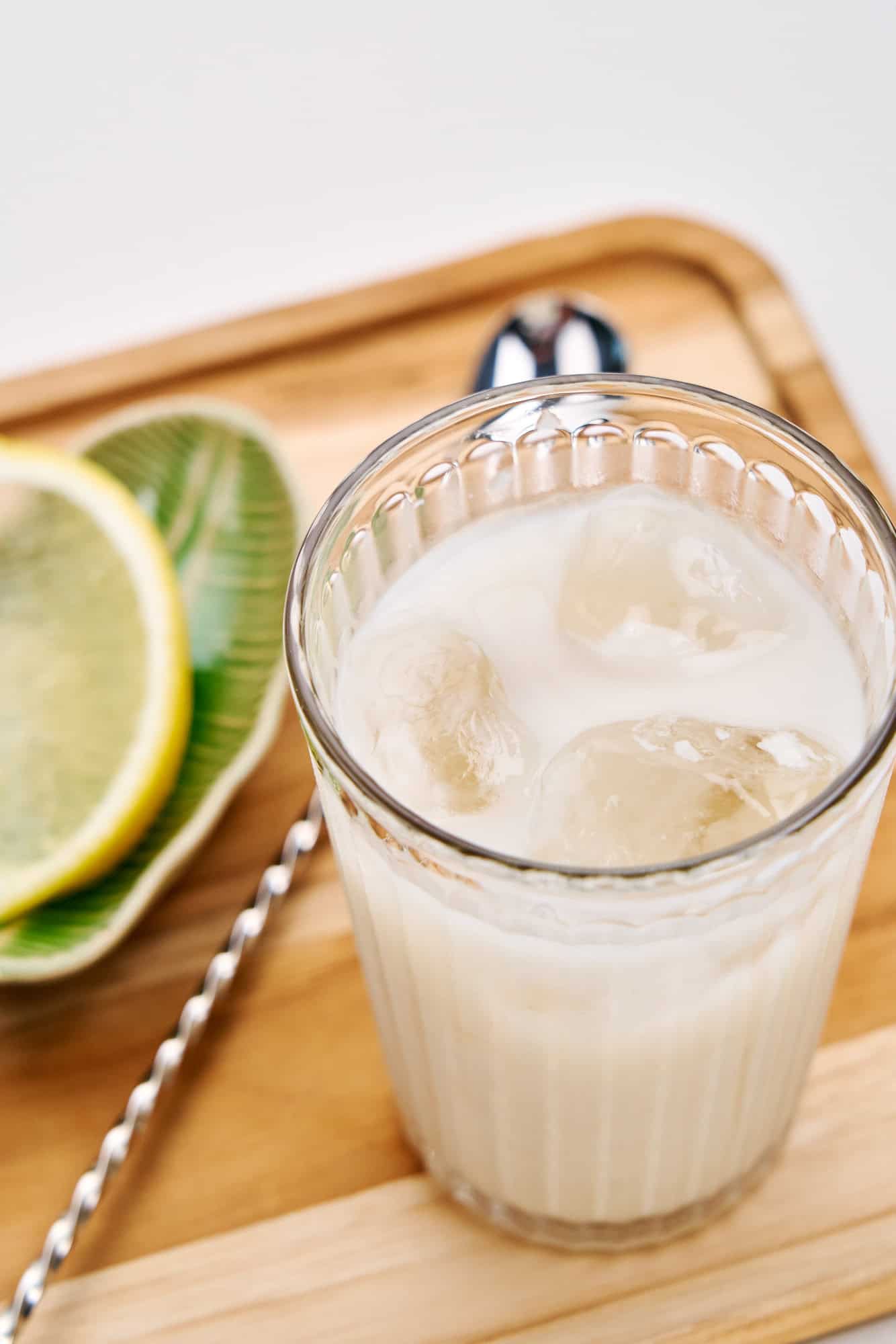
Give rice koji a few warm hours with some water and it pulls off the culinary equivalent to a magic trick: it turns plain, bland rice into a drink sweet enough to pass for dessert, without a single grain of added sugar. This is amazake. It's lovely on its own, steaming in winter or poured over ice in summer, but I think it earns its keep as an ingredient too. A spoonful sweetens and adds a savory, umami depth to whatever you stir it into, and since its enzymes are still active, it will quietly tenderize a tough cut of meat in a marinade.
Best of all, it asks almost nothing of you. You stir rice koji together with water, keep it warm for a few hours, and the koji handles the rest.
Jump to:
What Is Amazake?
Amazake (甘酒) means "sweet sake," and it lands somewhere between a drink and a loose porridge. It's sweet enough that people are surprised there's no sugar in it, with a toasty aroma that sits between roasted chestnuts and steamed rice with a faint, savory edge that reads almost mushroomy. Blend it and it turns creamy and smooth. Leave it alone and you get soft, broken-down grains of rice suspended in a milky sweet beverage.
Despite the name, the rice-koji version we're making here is non-alcoholic. The other kind, made from sakekasu (the lees left over from brewing sake), does contain alcohol.
How Koji Turns Rice Into Sugar
Koji is rice that's been inoculated with a filamentous fungus (a.k.a. mold) called Aspergillus oryzae. As it grows through the grains, it leaves behind a whole toolkit of enzymes, and two of them do the heavy lifting here. Amylase breaks the starch in rice down into sugar, which is where all that sweetness comes from. Protease breaks protein down into amino acids, which is where the nutty, savory depth comes from.
To clarify, amazake is considered a "fermented drink" because the rice koji used to make it is a fermented ingredient, but the process to make amazake is not technically fermentation. The koji itself is no longer active, but the enzymes it contains are. The process of amylase breaking starch down into sugar is called saccharification. If you want to learn more about how this one mold ended up behind almost everything delicious in Japanese food, I went deep on it in the mold that built Japanese cuisine.
Choosing Your Koji
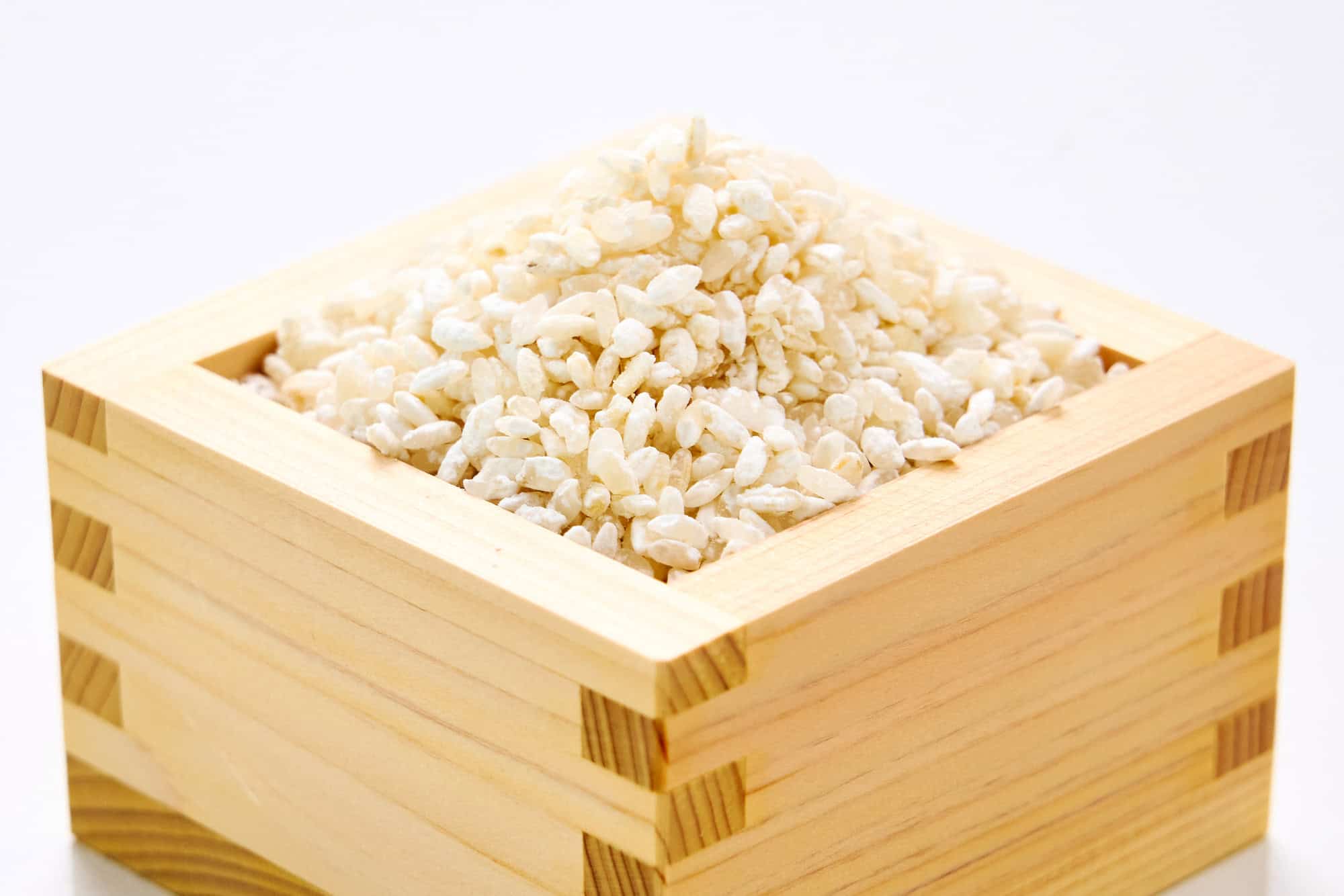
Quick clarification before you go shopping. When I say koji, I mean rice koji, the finished, ready-to-use grain that's already been inoculated with koji spores. That's different from the koji spores (tane-koji) you'd use to grow your own from scratch. For amazake you want rice koji, sold in a bag, ready to go.
Because rice koji is produced by a living organism, like people, each one has its own personality. That means you may need to experiment a little to find the perfect time, temperature, and hydration for the koji you've got. I used natural rice koji from a sake brewery for this batch, but my usual go-to is this one that's available on Amazon or Weee! in the US.
Dialing In Your Amazake
The recipe below is a starting point. Once you've made it once, these are the four dials you'll reach for to make it your own.
Temperature
The enzymes work best between 131 and 140°F (55 to 60°C). Go cooler and they work more slowly. Go hotter and you start to denature them, saccharification stalls, and you never get the sweetness you were after. Maintaining the temperature in that narrow band is the only real challenge in making amazake.
Time
Anywhere from 8 to 12 hours. The longer you let it go, the sweeter it gets, but you hit diminishing returns toward the top end. By 12 hours you've gotten most of what you're going to get.
Hydration
This is how much water you add relative to the koji. The ratio depends on two things: how dry your koji is to begin with, and how concentrated you want the finished amazake. For koji with a medium level of hydration, a 1:1 ratio of koji to water gets you a thick, spoonable texture, and 1:1.5 makes something you can drink. The recipe below is the concentrated, spoonable version, which I like because it's flexible. You can always thin it down later, but you can't easily take water back out.
Koji-to-Starch Ratio
Using 100% koji gives you the most koji flavor and the most active enzymes, but koji isn't cheap, so a lot of people stretch it with another cooked starch: rice, sweet potato, kabocha, and the like. The bonus there is that you pick up the color and aroma of whatever you add. Since that second starch is already cooked and hydrated, you don't need to add much more water for it. So if you start with 100 grams of koji and 150 grams of water, you can fold in 100 grams of cooked rice without changing anything else. I haven't tried it yet, but I'd love to see what happens with Western starches like oatmeal, cream of wheat, or polenta.
Equipment
The one thing you need is a way to hold a steady temperature for hours. Three options, from best to most finicky.
Yogurt Maker
This is the best method, full stop. You add your ingredients, set the temperature, and let it do its thing. On top of the precise control, the real advantage is that you can taste the amazake as it goes and pull it exactly where you want it. I don't own one, so I use the next best thing.
Sous Vide
A thermal circulator (a.k.a. sous vide machine) holds a precise temperature in a water bath. This is what I use, and it's the method behind the recipe below.
Rice Cooker
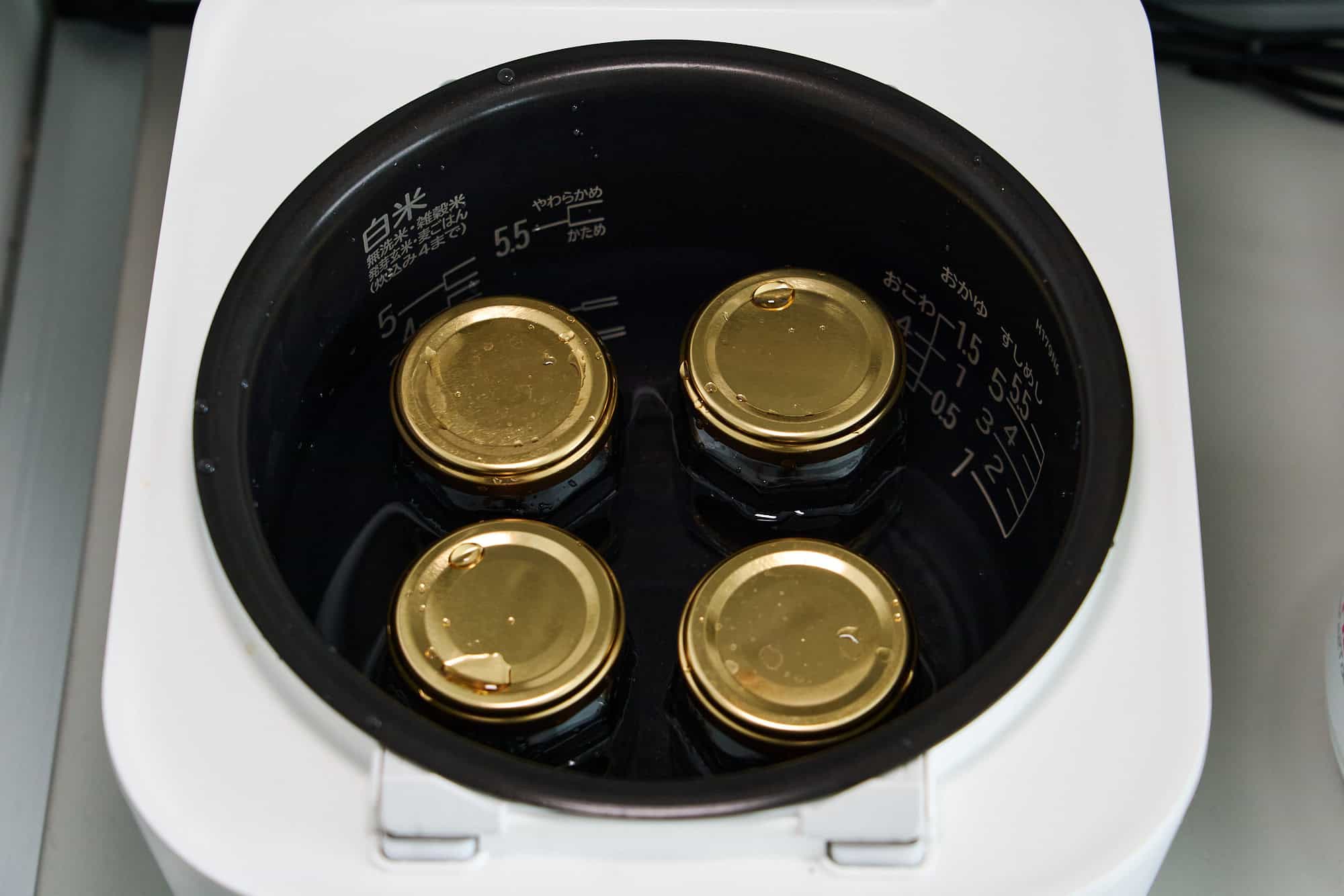
This is the most common method in Japan, mostly because everyone already has a rice cooker. It's not ideal, though, because it relies on the keep-warm function, which can swing wildly between brands and drift up and down over time. If you go this route, put the amazake in jars or bags and set them in a water bath inside the cooker to buffer the temperature. Keep the lid open or it'll likely run too hot; if it drifts too cool, close the lid for a while, and if it gets too hot, add some cool water. With jars, leave the lids loosely closed and fill the water only up to the neck.
Finishing and Flavoring
After saccharification you'll still have spongy bits of rice in the mix. If you want it smooth, just run it through a blender.
From there it's a blank canvas. I like a few drops of vanilla extract, but you can take it almost anywhere, from a little lemon zest to grated ginger.
You can also lean into sourness, which was traditionally undesirable but lately gets treated as a feature, since a little tartness makes amazake more refreshing. The easy way is to stir in some lemon juice, citric acid, or vinegar right before you drink it. The deeper way is to cool the finished amazake to room temperature once the enzymes have done their work, stir in a kefir starter culture, and let it lactoferment at room temp until it's as tart as you like.
How to Use Amazake
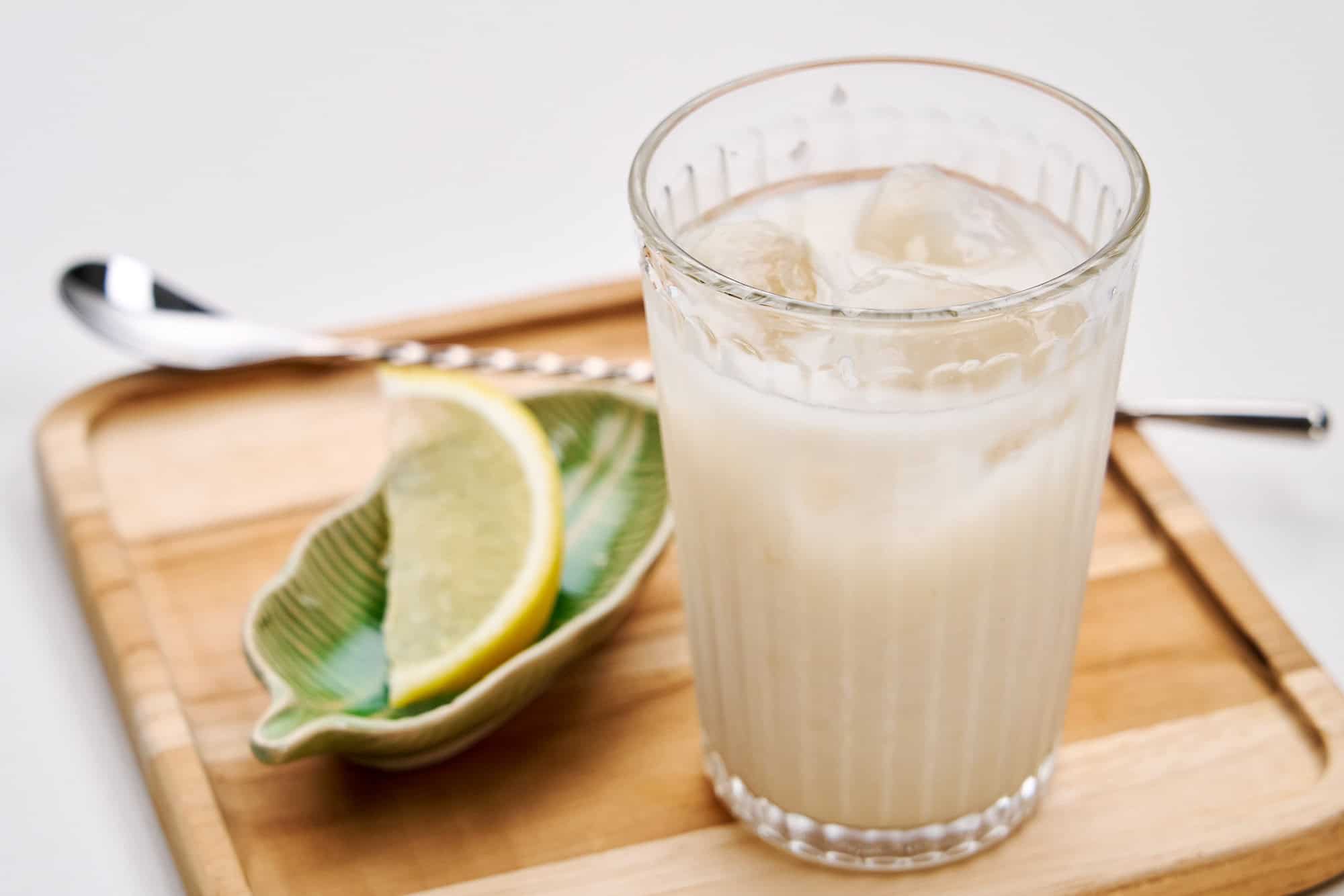
Straight up, amazake is good hot or chilled. If you made a sweeter batch, thin it with water, sparkling water, or milk until it drinks the way you want.
It also earns its place in cooking. It's a natural sweetener, and because it's loaded with amino acids, it adds umami at the same time. Those still-active enzymes make it a great tenderizer in a marinade, too. The one thing to watch is that the sugars scorch under high heat, so if you're grilling or deep-frying, go light, because a little goes a long way.
For breakfast, you can blend it into a smoothie with ice, yogurt, and some fruit, or just stir a spoonful into plain yogurt as a natural sweetener.
Access this Recipe
Welcome! I’m Marc Matsumoto, creator of No Recipes and author of the award winning cookbook Ultimate Bento. You’ve stumbled upon my secret stash with 378 original recipes with a new one coming every week! Unlike my other site, these recipes are member-supported, so you won’t find any banner ads here. Please consider becoming a member to access to this recipe, or you can check out some free recipes here.
- ✓ No ads
- ✓ Access the full stash of 378 recipes
- ✓ 1 new recipe per week
- ✓ Support Norecipes.com
Already a member?

Lisa Cohen says
Hey Marc,
Wondering if this can be used in the breakfast pudding rather than chocolate for flavoring? Or can the konjac be used in cooperation with this for other recipes?
Thanks!
Lisa
Marc Matsumoto says
Hi Lisa, that's a great idea! It should definitely work. You could replace part of the milk in the pudding recipe with the amazake (probably somewhere between 25-50%) and omit the sugar. I've been using glucomannan to thicken and add fiber to all kinds of dishes lately. You can make different flavor puddings by replacing the cocoa powder with other flavoring ingredients (vanilla extract, orange blossom water, peanut butter, freeze-dried fruit powders, etc). It also works for thickening fruit juices. For example you can thicken mango juice and it makes a kind of mango pudding you can drizzle a little coconut cream onto. It also works well as a binder in ground meat applications such as meatballs, hamburger steak, meatloaf, etc to help the meat hold onto it's moisture (though it does tend to thicken the juices making it moist but not juicy). I've also been playing around with adding it to batters and doughs to improve the moisture retention, but I haven't figured out the right ratios for this yet.
Marc Matsumoto says
Hi Lisa, just an update, I tried making the chocolate pudding with a 50/50 mix of amazake and milk and it was the perfect sweetness. The only thin I'd do differently is that my blender (Vitamix) had issues getting it smooth because it thickened up too quickly. Next time I'll blend the amazake and milk together first until smooth and then add the cocoa powder and glucomannan. The taste was good and the flavor of the amazake kinda made it taste like the pudding had bananas in it.