
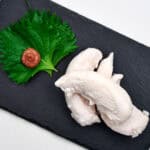






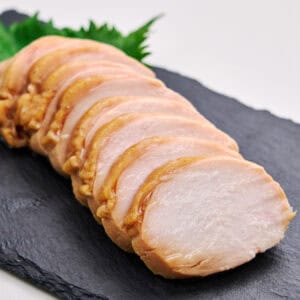
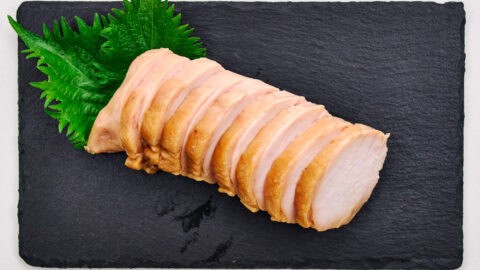
The moment you slice into this Chicken Breast Chashu and see how juicy it is, you'll forget everything you thought you knew about chicken breast. Lean and meaty, yet tender and moist, this lighter take on the classic Japanese ramen topping is the perfect partner for my shoyu ramen recipe.

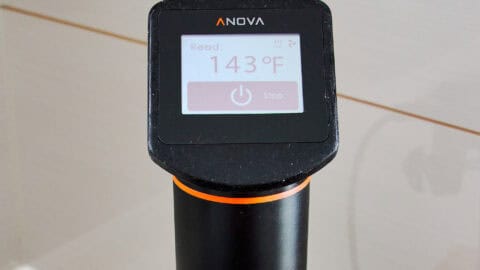
The key is a three-day cure in a brine made with mirin, soy sauce, and sake. This seasons the chicken all the way through while drawing out excess water. It also breaks down proteins like actin and myosin, which helps tenderize the meat. Once cured, a low-and-slow sous vide bath at 143°F (62°C) lets the meat retain its juices while firming it up just enough for clean slicing and a satisfying bite.
You might be wondering about food safety at that temperature, especially when the USDA recommends 165°F. But it's not just about hitting a peak temp—it's about time and temperature.
At 165°F, chicken is pasteurized almost instantly, which is why it's the go-to guideline. The downside is that at that temperature, muscle fibers in lean cuts like chicken breasts contract and squeeze out their juices. By holding the meat at 143°F for a longer period, you can make it just as safe while preserving moisture and texture.
By the way, to make this chashu recipe, I tested a range of temperatures, and at 140°F, the texture veers uncomfortably close to raw, while at 145°F, it's more like poached chicken, which defeats the purpose of sous vide. I like to let it go for 2½ to 3 hours, which ensures it's fully pasteurized without over-tenderizing it.
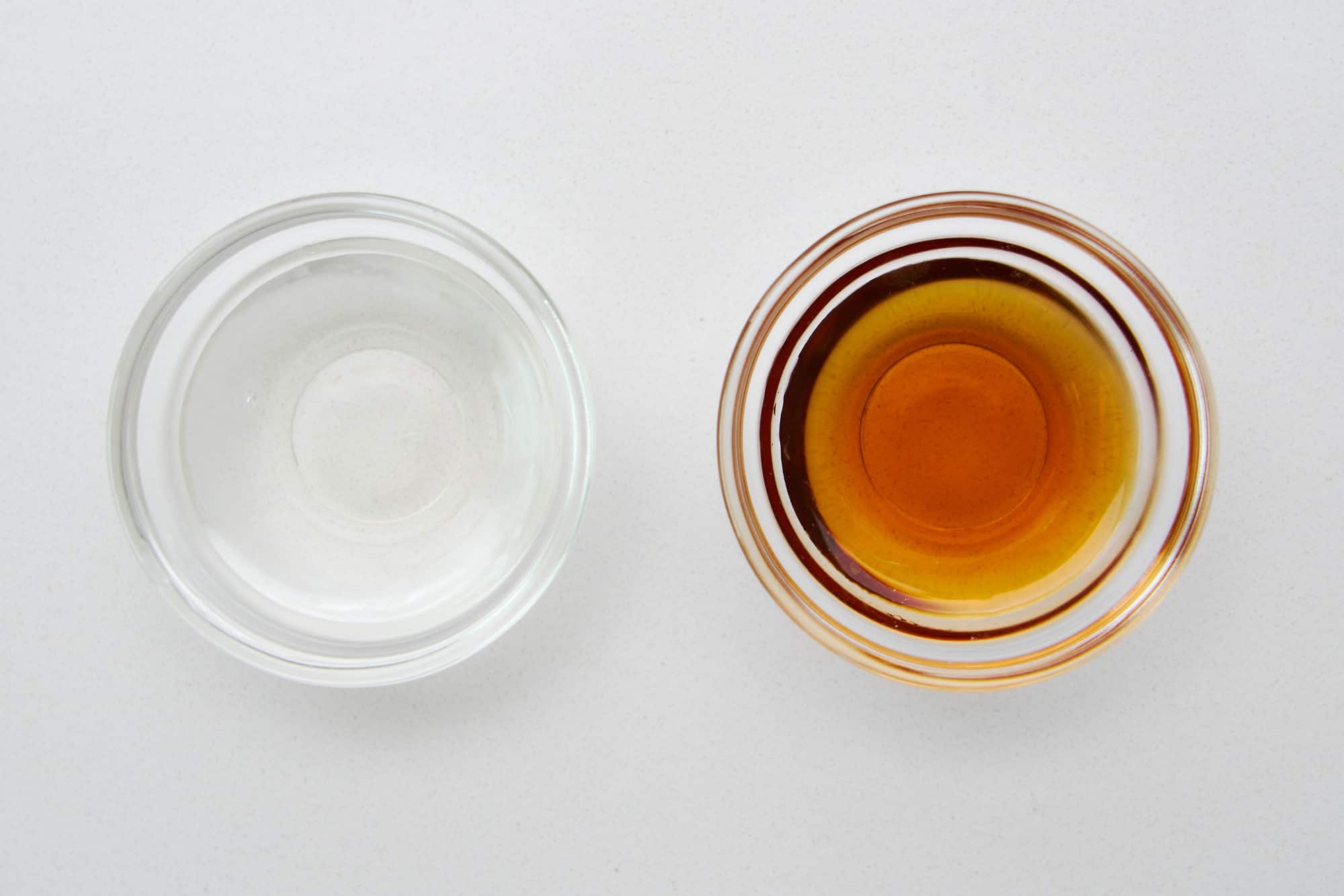
When buying mirin, check the label and steer clear of bottles containing salt, corn syrup, or flavor enhancers like MSG.Real brewed mirin should list only rice, koji, water, and possibly brewer's alcohol, and it should have a bronze hue. If you can't find the real deal, just double the sake and add three tablespoons of sugar as a sub.
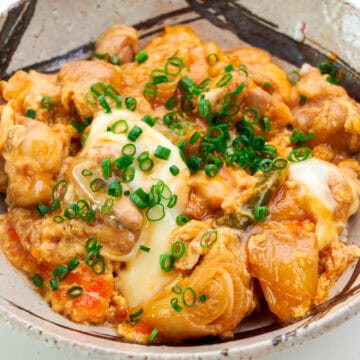
By the way, this Chicken Breast Chashu isn't just for ramen. It's great in sandwiches, tossed into a chicken salad, or served over a bowl of rice with a drizzle of juices from the bag.
Welcome to my Secret Stash!
I’m Marc Matsumoto, creator of No Recipes and author of the award winning cookbook Ultimate Bento. You’ve stumbled upon my secret stash with 378 original recipes with a new one coming every week! Unlike my other site, these recipes are member-supported, so you won’t find any banner ads here. If you enjoy this recipe below, please consider becoming a member to access the rest of my private cookbook and get updates with my latest recipes.
- ✓ No ads
- ✓ Access the full stash of 378 recipes
- ✓ 1 new recipe per week
- ✓ Support Norecipes.com
Units
Ingredients
- ½ cup mirin
- ⅓ cup soy sauce
- ⅓ cup sake
- 4 skin-on chicken breasts 1200 grams
Instructions
-
Add ½ cup mirin, ⅓ cup soy sauce, and ⅓ cup sake to a pot and bring the mixture to a boil. If you are using a gas stove, ensure your ventilation is running and be cautious not to let the flame rise up the sides of the pot, as this may ignite the alcohol vapors. If that happens, don’t panic; just cover the pot with a lid to extinguish the flames. Continue boiling the liquid until it no longer smells like alcohol (about 2-3 minutes). Let the brine cool to room temperature.

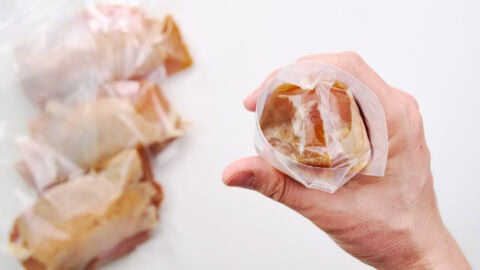
- Prepare 4 skin-on chicken breasts by trimming off excess fat and any cartilage or tendon and place them in a sealable bag.
-
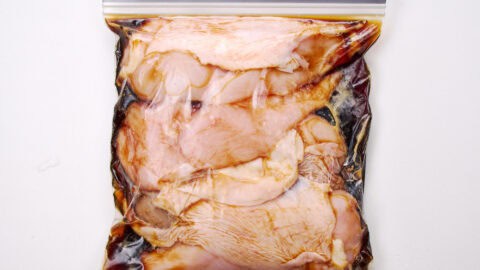
When the brine has cooled to room temperature, pour it into the bag with the chicken and seal the bag, pressing out as much air as you can. Cure the chicken in the refrigerator for 2-4 days, flipping it over once a day to ensure even brining.
-
When the chicken is done curing, fill a water bath and set your sous vide machine to 143°F (62°C)
-
Drain the brine from the chicken and use paper towels to dry the surface of the meat off.
-
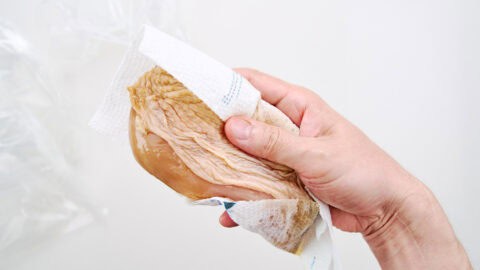
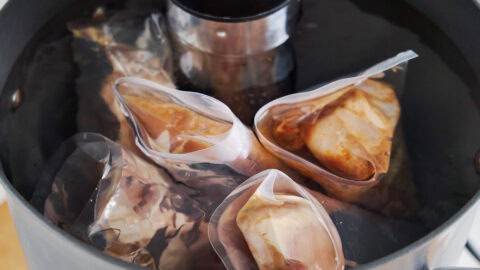
Place each breast into a heat-safe vacuum bag and vacuum seal each one. To give the chicken a round shape, I like to roll the bag around the chicken to form a cylinder and tape the end shut.
-
Place the bags of chicken in your preheated sous vide setup and cook for 2 ½ to 3 hours.
-
When the timer is up, you can slice and serve the chicken chashu hot, or you can rapidly chill it in a cold water bath and keep the bagged chicken in the fridge for up to a week.

Marc Vanderbrink says
Question Marc,
Do you have a recommended brand of sake you prefer to use for cooking?
Cheers
Marc Matsumoto says
Hi Marc, welcome to the site! I have a deep-dive about how to pick sake for cooking here: https://norecipes.com/what-is-sake/ but the quick answer is that any sake that's meant for drinking (not "cooking sake") will work. You don't need to use an expensive one. I personally use a brand called "Maru" made by Hakutsuru. It works great because it comes in a carton, it's relatively cheap. Unfortunately I don't think they sell the brand outside of Japan (unless you happen to live near a Japanese supermarket). The reason you don't want to use a "cooking sake" is because they tend to include a bunch of additives like salt and MSG which will throw off the seasonings in recipes that aren't calling specifically for cooking sake. Hope that helps!